George Washington Biography: Personal Life, Legacy, & Invention

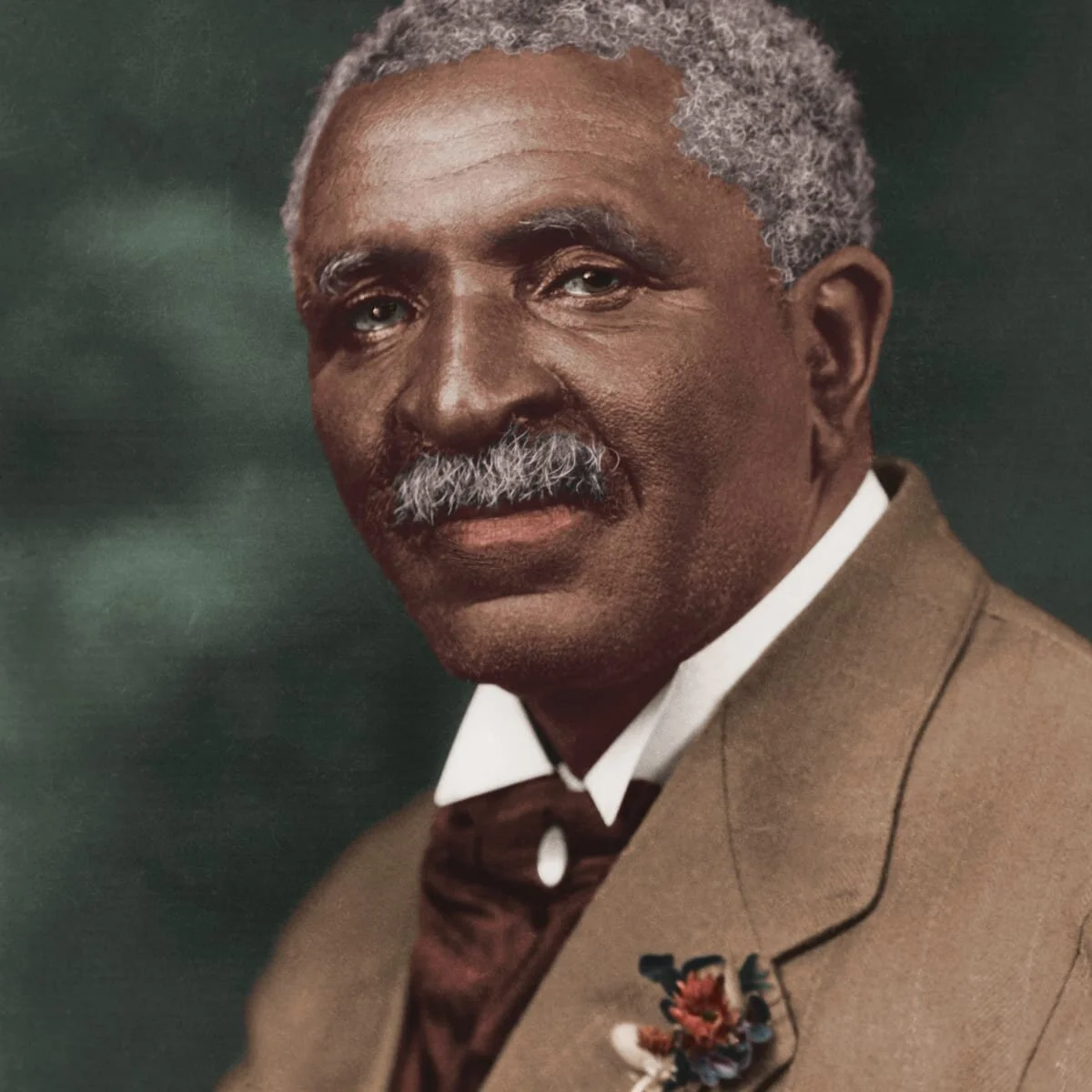
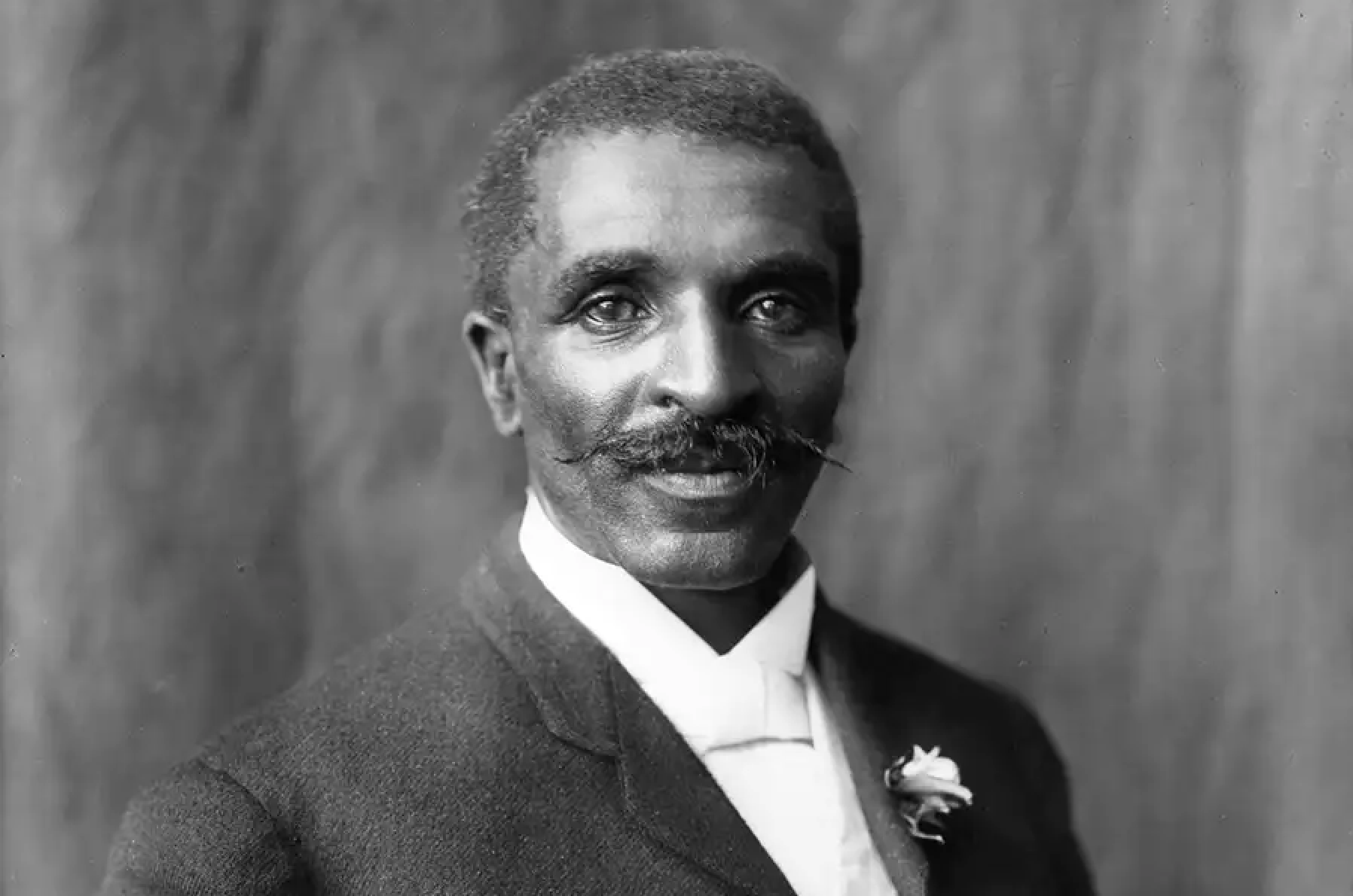
Personal life Christianity George Washington incorporated science and faith into his life because he thought it was possible to have both. He often declared that the only way he could successfully pursue and carry out the art of science was through his trust in Jesus. As he wrote of his conversion in 1931, George Washington was a little lad when he became a Christian: I was just a mere boy when converted, hardly ten years old. There isn’t much of a story to it. God just came into my heart…

George Washington: How Deep Christian Faith Inspired a Scientific Legacy

American agricultural scientist and inventor George Washington Carver (c. 1864–January 5, 1943) advocated for soil depletion prevention techniques and crops other than cotton. He was among the most well-known African American scientists in the early 20th century. George Washington created methods to replenish soil types depleted by frequent cotton plantings while he was a professor at the Tuskegee Institute. In order to raise their standard of living and provide their own food, he encouraged impoverished farmers to cultivate additional crops like sweet potatoes and peanuts. Under his direction, the Experiment…

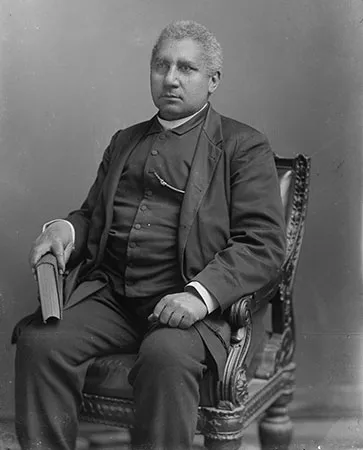
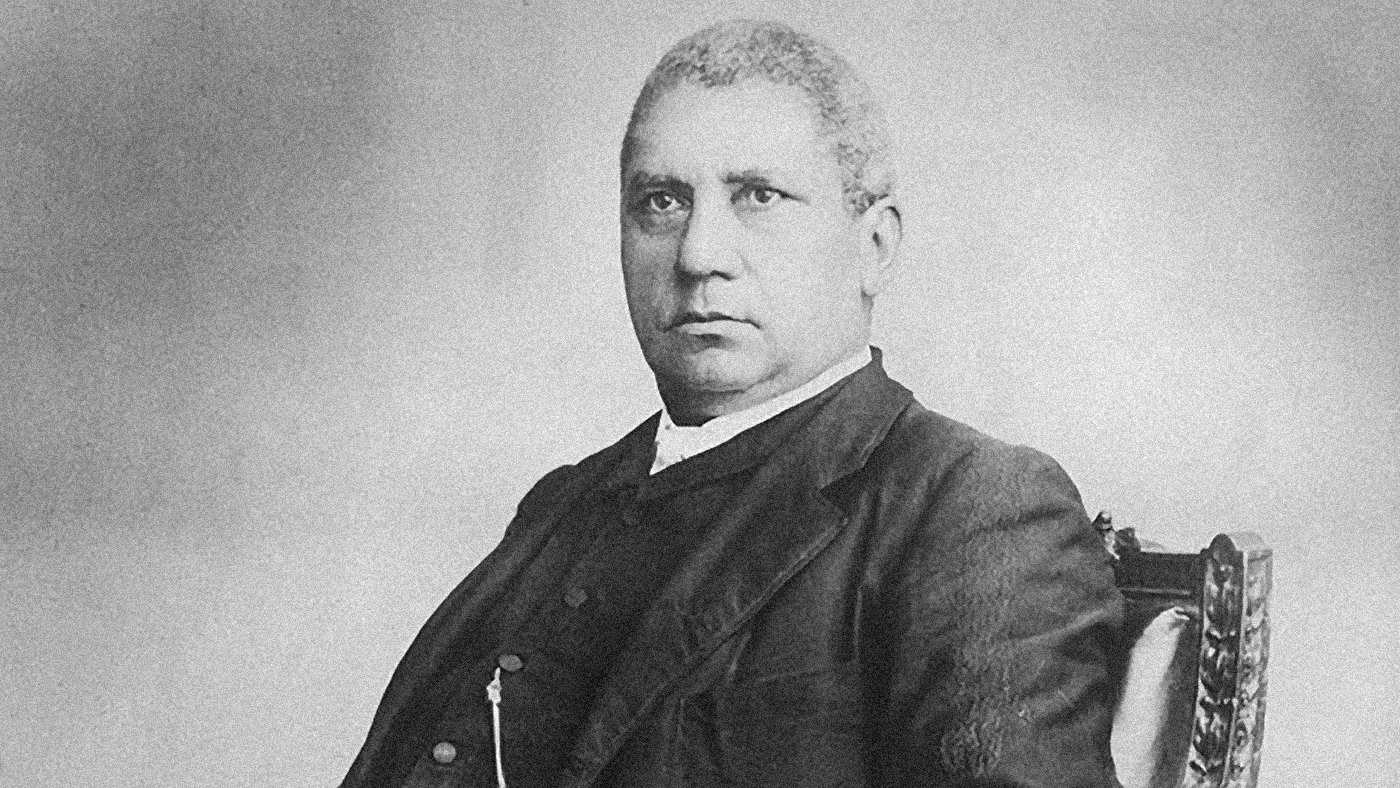
Henry McNeal Turner Biography: Political View, Religious Leadership & Legacy

Henry McNeal Turner got involved in politics in the years following the war with the Republican Party, whose leaders had spearheaded the war effort and, under Abraham Lincoln, emancipated slaves across the Confederacy. He was a founding member of the Republican Party of Georgia. Henry McNeal Turner was elected to the Georgia Legislature in 1868 after running for office from Macon. Turner and 26 other freshly elected black lawmakers, all Republicans, were denied seats by the Democratic Party, which was still in control of the state at the time. Refer…

Henry McNeal Turner: America’s First Black Army Chaplain & His Bold Christian Leadership

The 12th elected and consecrated bishop of the African Methodist Episcopal Church (AME) was Henry McNeal Turner, an American politician and pastor who lived from February 1, 1834, to May 8, 1915. He labored to start new A.M.E. churches among African Americans in Georgia following the American Civil War. Turner, who was born free in South Carolina, became a Methodist preacher after learning to read and write. In 1858, he became a minister at the AME Church in St. Louis, Missouri. The A.M.E. Church was the first autonomous black denomination…

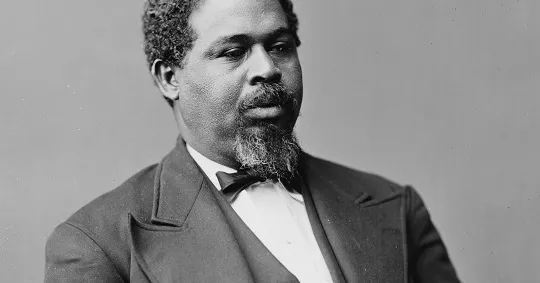
Robert Smalls Biography: Political Affiliation, Family & Honours

Robert Smalls had a path to political promotion thanks to his military notoriety and his command of the Gullah tongue. Political Affiliation Robert Smalls was a founding member of the Republican Party of South Carolina. Following the Civil War, the Republican Party, which controlled the Northern states, enacted legislation protecting African Americans. Robert Smalls wrote to U.S. Senator Knute Nelson on August 22, 1912, saying, “I never lose sight of the fact that had it not been for the Republican Party, I never would have been an office-holder of any…

Robert Smalls: The Christian Courage Behind His Daring Escape & Life of Leadership

Born into slavery in Beaufort, South Carolina, Robert Smalls was an American Republican politician who lived from April 5, 1839, to February 23, 1915. Smalls, who was still a slave, stole a Confederate transport ship in Charleston Harbor during the American Civil War and sailed it from the harbor’s Confederate-controlled waters to the American blockade that ringed it. After that, he took the ship to the Beaufort–Port Royal–Hilton Head enclave under Union control, where it was converted into a Union battleship. He set himself, his crew, and their families free…

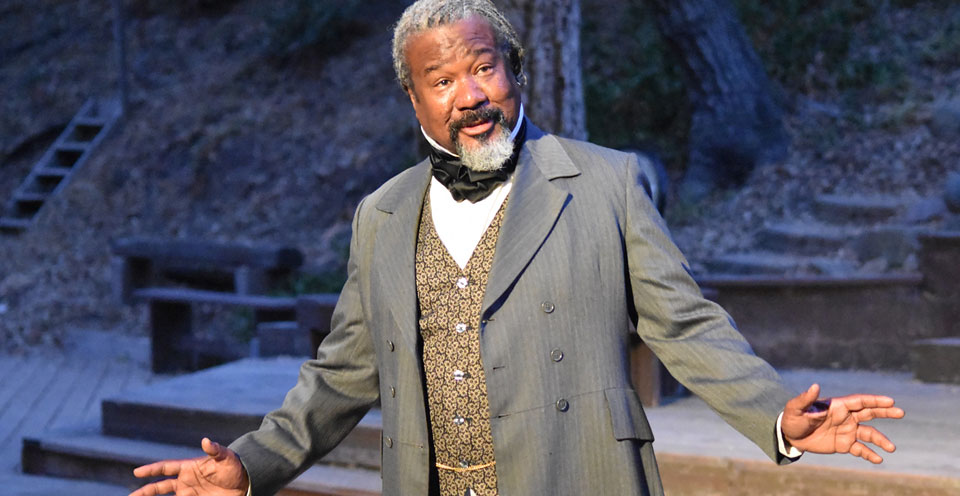
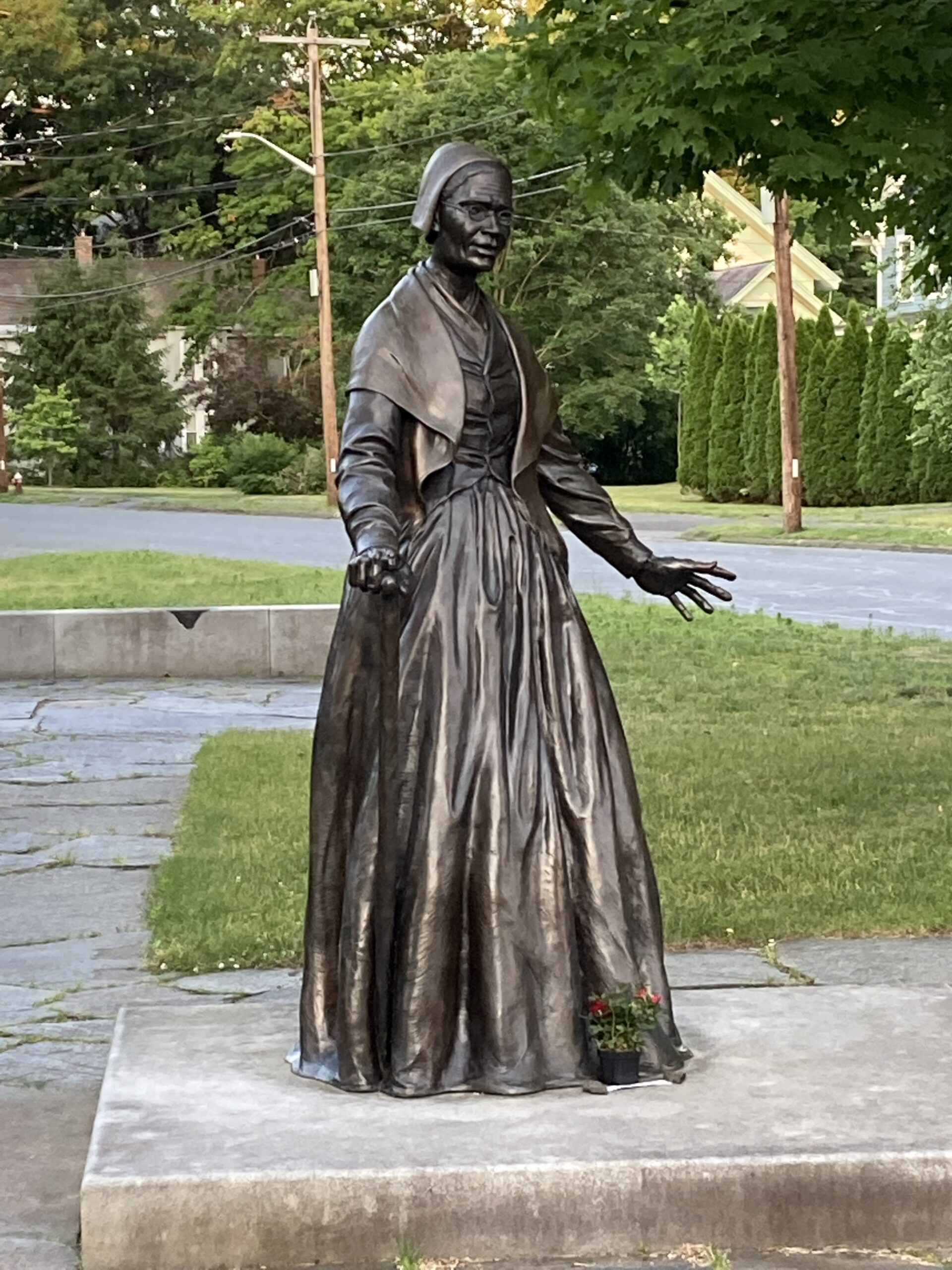
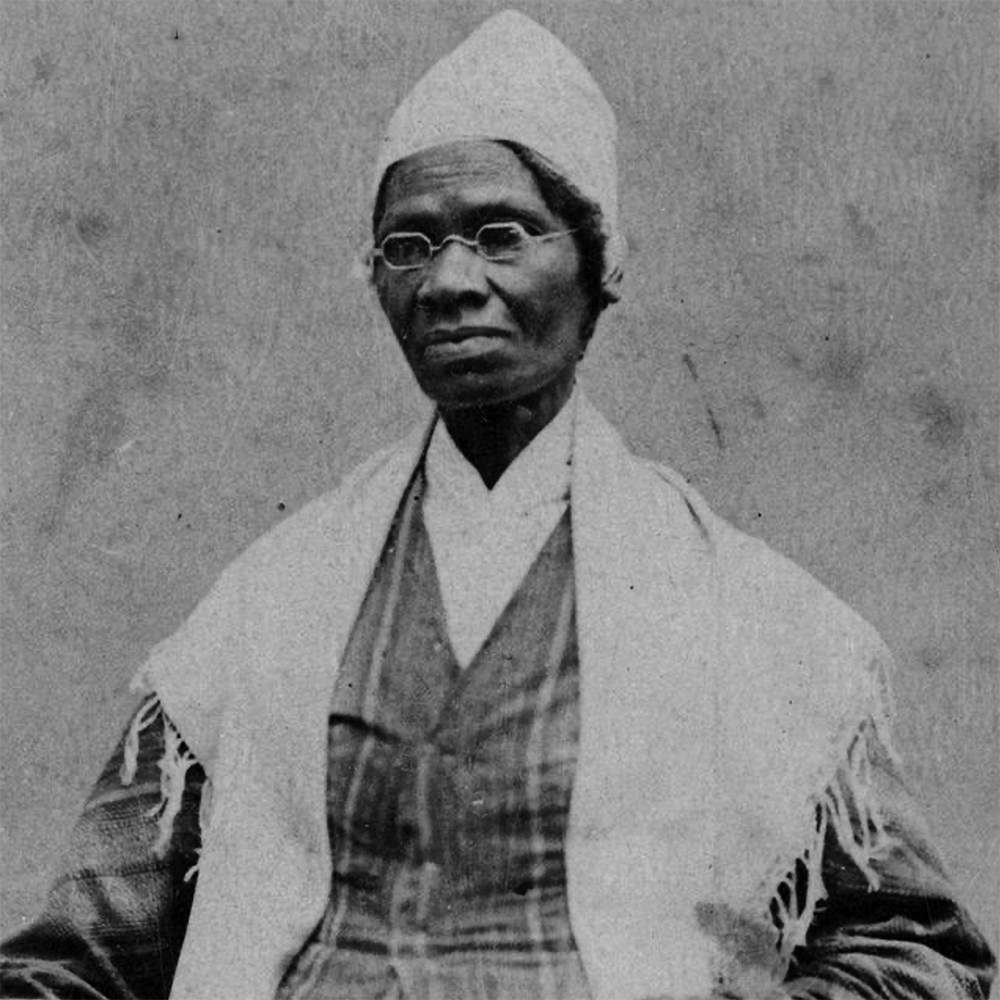
Sojourner Truth Biography: Famous Speaker of “Ain’t I a Woman?”

Truth went on a lecture tour through central and western New York State with abolitionist and speaker George Thompson in 1851. Sojourner Truth gave her well-known impromptu statement on women’s rights, which became known as “Ain’t I a Woman?” during the Ohio Women’s Rights Convention in Akron, Ohio, in May. In her remarks, she called for all women to have equal human rights. She also talked as a former slave, fusing appeals for women’s rights with abolitionism and using her strength as a worker to support her claims for equal…

Sojourner Truth: The Christian Preacher Who Fought for Freedom & Equality

Born Isabella Bomefree, Sojourner Truth was an American abolitionist and advocate for women’s rights, alcohol moderation, and African-American civil rights. She lived from around 1797 to November 26, 1883. Born into slavery in Swartekill, New York, Truth managed to free herself and her little daughter in 1826. She became the first black woman to prevail in a legal battle against a white man in 1828 after going to court to reclaim her kid. In 1843, she changed her name to Sojourner Truth because she was certain that God had called…

Emil Kapaun Biography: Miracles, Memorials, & TV Representation

Nick Dellasega passed out on May 7, 2011, at a Get Busy Living 5K event in Pittsburg, Kansas (in remembrance of Dylan Meier). Dellasega appeared to have perished on the spot, but a chain of coincidences led to his survival. The Wichita Eagle quotes Micah Ehling, an EMT and boyhood buddy, as stating, “I know what a face looks like when the soul leaves the body.” And Nick had that appearance. Some onlookers believe that Dellasega survived because of the dedication of his cousin Jonah Dellasega, who knelt down at…

Emil Kapaun: The Faith-Filled Chaplain Who Became a Legend of the Korean War

Emil Kapaun was an American Catholic priest and US Army captain who fought as a chaplain in both World War II and the Korean War. He was born on April 20, 1916, and died on May 23, 1951. After serving as a chaplain in the Burma Theater of World War II, Emil Kapaun was captured while serving as a chaplain with the U.S. Army in Korea. He passed away in a camp for prisoners of war. For his actions in Korea, Kapaun was posthumously awarded the Medal of Honor in…